
Introduction
As of 2026, the financial landscape has become increasingly concerning for many individuals, particularly in Canada, where consumer debt levels have risen sharply. According to recent statistics, over 30% of Canadians reported feeling overwhelmed by their financial obligations, with a significant portion struggling to keep up with high-interest debt payments. This escalating crisis has compelled many to seek effective solutions to regain control over their finances.
The challenges presented by high-interest debts are manifold. Individuals often face multiple monthly payments compounded by exorbitant interest rates, making it difficult to budget effectively and plan for the future. The stress of these financial burdens can considerably affect one’s quality of life, leading to anxiety and potential mental health issues. Furthermore, as interest rates on credit cards and personal loans continue to rise, many are left feeling trapped in a cycle of debt.
Debt consolidation loans emerge as a viable solution in this scenario. These financial products allow individuals to combine multiple high-interest debts into one manageable payment, often at a lower interest rate. By consolidating debts, borrowers can reduce their overall monthly payments and simplify their financial commitments, thereby alleviating some of the stress associated with debt management. With an effective debt consolidation loan, it is possible to break free from the clutches of high-interest debts, making way for a healthier financial future.
In a landscape where many Canadians are seeking relief from financial stress, understanding the options available for debt consolidation is crucial. This guide aims to provide insights into the best debt consolidation loans in 2026, helping individuals make informed decisions tailored to their unique financial circumstances.
Key Highlights
As we explore debt consolidation loans in 2026, several key trends and insights emerge that can significantly impact your financial decisions. Here are the most important points to consider:
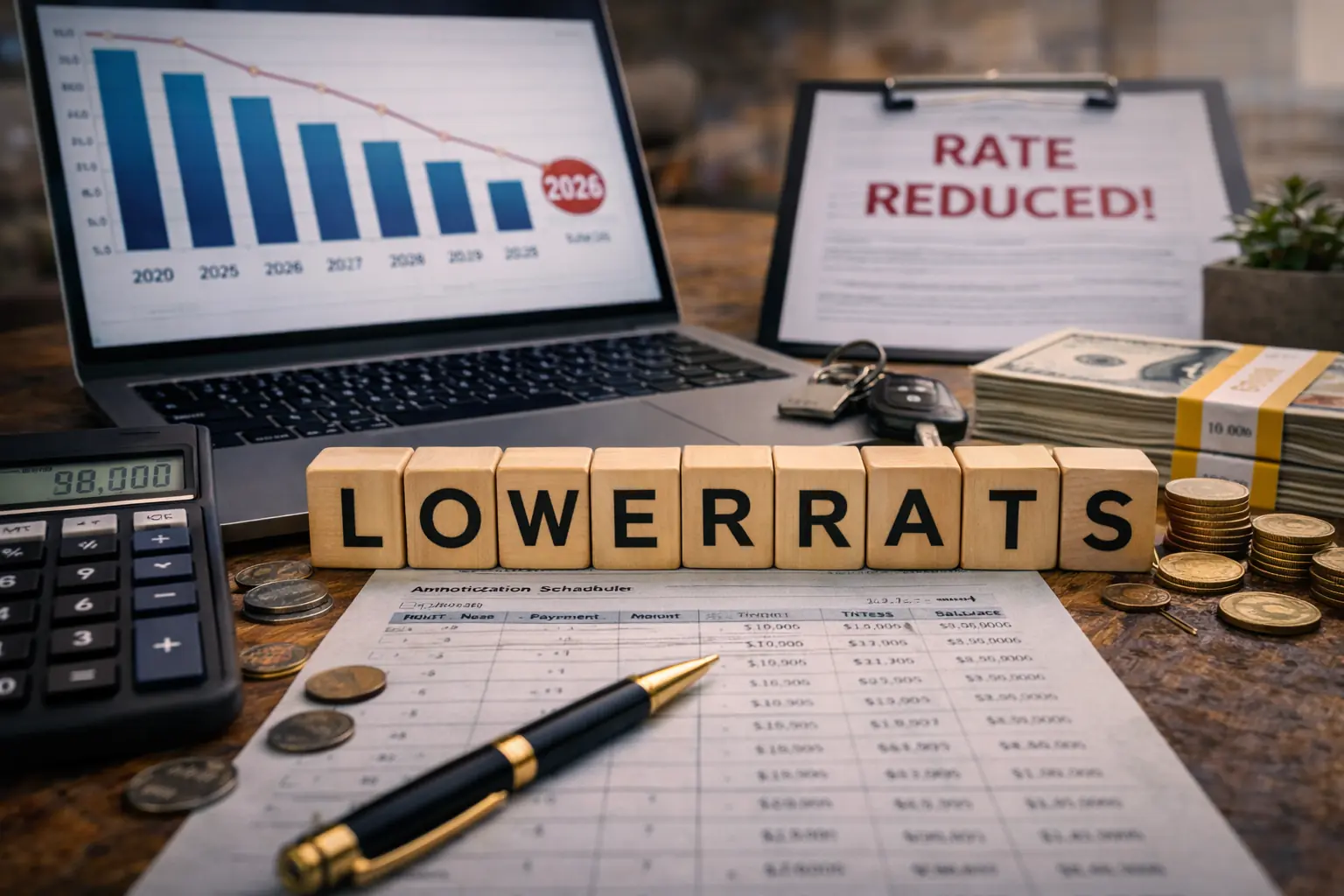
- Trends in Loan Rates: The overall trend for debt consolidation loan rates in 2026 shows a gradual decline, making it a favorable time for borrowers looking to consolidate their debts.
- Benefits of Lower Monthly Payments: By opting for a debt consolidation loan, borrowers can substantially reduce their monthly payments. This can provide immediate financial relief and help in managing personal finances more effectively.
- Average Interest Rates in Canada: Current data indicates that the average interest rates for debt consolidation loans in Canada hover around 6-8%. This range remains competitive, allowing consumers to find suitable financing options.
- Impact of Credit Scores: Maintaining a good credit score is crucial when applying for debt consolidation loans. A score of 700 or above significantly improves eligibility for better interest rates and loan terms.
- Increased Accessibility: Financial institutions are increasingly tailoring their products to meet the needs of borrowers, leading to more accessible terms and features that can benefit a wide range of consumers.
- Importance of Financial Education: As the market matures, financial literacy among consumers becomes more essential. Understanding the implications of debt consolidation can empower borrowers to make informed decisions.
These highlights encapsulate the current landscape of debt consolidation loans, demonstrating opportunities for borrowers seeking to streamline their debt repayment processes.
Latest Trends in Canada
The debt consolidation landscape in Canada has experienced notable changes influenced by various financial trends in recent months. As of 2026, one significant trend is the rising interest in digital lending platforms that facilitate faster access to debt consolidation loans. According to recent statistics, nearly 30% of Canadian borrowers now prefer online lenders over traditional banks for obtaining loans. This shift has transformed the market, as digital platforms tend to offer more competitive rates and streamlined services.
Another trend that has emerged is the impact of government regulations aimed at protecting borrowers. In response to the economic pressures caused by rising inflation and interest rates, Canadian authorities have implemented measures to ensure transparency in lending practices. New requirements for disclosure of fees and clearer communication of loan terms have been introduced, which empowers consumers and helps them make informed decisions regarding their debt consolidation options.
Furthermore, the demand for debt consolidation solutions has been influenced by a concerning increase in household debt levels. Recent reports indicate that Canadian households now carry an average debt load exceeding $1.80 for every dollar of disposable income. This statistic highlights the urgency for individuals seeking to manage their finances effectively. As a result, borrowers are increasingly turning to debt consolidation loans as a viable solution, particularly for high-interest debts such as credit cards.
In addition to these trends, lenders have adjusted their offerings to accommodate the evolving needs of borrowers. Many financial institutions now provide tailored options for those with varying credit scores, thereby expanding access to debt consolidation loans. With these developments, Canadians are better positioned to navigate their financial challenges and take advantage of solutions that can potentially lower their monthly payments and streamline their debt management strategies.
Understanding Debt Consolidation Loans
Debt consolidation loans serve as a financial tool aimed at simplifying and managing multiple debts. Essentially, this approach involves combining several debts—oftentimes with higher interest rates—into a single loan that typically boasts a lower interest rate. This means borrowers can not only streamline their payment process by having just one payment to manage each month, but they can also save money over time.
For instance, consider a borrower with three separate debts: a credit card balance of $5,000 at 20% interest, a personal loan of $7,000 at 15% interest, and a medical bill of $3,000 at 10% interest. By taking out a debt consolidation loan of $15,000 at an interest rate of 10%, the borrower can pay off their existing debts immediately. As a result, they would be making just one monthly payment instead of juggling multiple payments, greatly reducing their risk of late fees and complications.
Another example would be a scenario where a graduate is coping with student loans and credit card debt. By consolidating these debts with a lower-rate loan, they not only lower their monthly payment but also extend the loan term, making it more manageable within their current budget. This strategic approach can lead to an improved credit score over time as the borrower demonstrates consistent, timely payments.
Furthermore, debt consolidation can also include various forms of loans such as secured and unsecured options. A secured loan may require collateral, hence offering lower interest rates, while unsecured loans do not require collateral but might have higher rates. Each borrower’s situation will dictate the best route, illustrating the flexibility and potential benefits of such financial instruments.
Best Options or Strategies
When considering debt consolidation loans, it is crucial to explore various options available to effectively manage debts. These options primarily include secured loans, unsecured loans, balance transfer credit cards, and personal loans. Each of these has unique characteristics, advantages, and disadvantages that cater to different financial situations.
Secured loans are backed by collateral, such as a home or vehicle, which often results in lower interest rates. However, the risk lies in the potential loss of the asset if repayments are missed. Unsecured loans, on the other hand, do not require collateral, making them less risky in that regard. They typically come with higher interest rates, reflecting the lender’s increased risk. Understanding your financial condition is key in choosing between these loan types.
Balance transfer credit cards are another appealing option for debt consolidation. These cards allow individuals to transfer high-interest debts to a new card, often with an introductory 0% APR for a limited time. This can significantly reduce the overall cost of managing debts. However, it is essential to consider the possible high-interest rates that kick in after the promotional period, as well as any balance transfer fees that could offset potential savings.
Personal loans are an increasingly popular choice as they provide a lump sum payment that can be used to pay off multiple debts. They generally have fixed terms and predictable monthly payments, facilitating better planning for repayments. Although personal loans can have varying interest rates, borrowers with good credit can often secure favorable terms.
Ultimately, the best strategy for selecting a debt consolidation method should consider factors such as credit score, the total amount of debt, income stability, and personal financial goals. Engaging with a financial advisor can also provide valuable insights tailored to individual circumstances, ensuring the chosen method aligns with long-term financial health.
Benefits and Risks of Debt Consolidation
Debt consolidation loans offer several advantages that can significantly alleviate financial burdens for individuals struggling with multiple debts. One of the primary benefits is the potential for lower interest rates. By consolidating high-interest debts into a single loan with a more favorable rate, borrowers can save money over time, thus reducing the overall cost of their debt. This is particularly beneficial for credit card debts, which often carry high-interest charges.
Another advantage of debt consolidation is the simplification of payments. Managing numerous payment due dates and creditors can be daunting, often leading to missed payments and late fees. With a debt consolidation loan, borrowers can streamline their repayments into a single monthly payment, which can lead to improved financial management and reduced stress levels.
Additionally, successfully managing a debt consolidation loan can potentially improve one’s credit score. As debts are paid down and managed effectively, credit utilization ratios may improve, leading to a positive impact on credit ratings. This can promote better financial opportunities in the future, such as favorable terms on loans and mortgages.
However, it is essential to be mindful of the risks associated with debt consolidation. One significant risk is the potential for accruing further debt. If individuals do not change their spending habits, they may find themselves returning to the same financial predicament after consolidation, leading to a cycle of debt. Furthermore, some consolidation loans come with fees, which can add to the overall cost.
In conclusion, while debt consolidation loans can provide valuable benefits, such as lower interest rates, simplified payments, and improved credit scores, it is crucial to recognize and manage the associated risks. Borrowers should carefully evaluate their financial habits and ensure they are committed to a path of sustained financial health before proceeding with consolidation.
Advanced Tips or Insider Strategies
Successfully navigating the landscape of debt consolidation loans requires a combination of smart planning and strategic execution. One of the most important steps an individual can take before applying for a debt consolidation loan is improving their credit score. A higher credit score not only increases the likelihood of loan approval but may also enable borrowers to secure better interest rates. To improve a credit score, it is advisable to pay down existing debts, ensure timely payments, and avoid opening new credit accounts in the months leading up to the application.
Another strategy involves negotiating better interest rates with potential lenders. Many lenders offer competitive rates, so it is beneficial to gather multiple quotes and be proactive in discussing terms. Demonstrating a solid financial history and a steady income can bolster one’s negotiating position. Additionally, applicants can consider utilizing a co-signer with a robust credit profile, significantly enhancing the chances of approval and favorable terms.
After securing a debt consolidation loan, maintaining a disciplined repayment strategy is crucial. Establishing a budget that prioritizes regular loan payments while reducing unnecessary expenses is essential. Moreover, individuals can leverage debt payoff strategies post-consolidation by focusing on the highest interest debt first or utilizing the snowball method, where smaller debts are paid off to boost motivation.
Finally, it is important to regularly monitor one’s financial health. This involves keeping an eye on credit scores, checking for inaccuracies in credit reports, and ensuring compliance with the terms of the debt consolidation loan. By following these advanced tips and insider strategies, individuals can optimize their debt consolidation experience and pave the way for a more stable financial future.
Comparison Table for Debt Consolidation Loans
Understanding the various debt consolidation options available in 2026 is essential for making an informed financial decision. Below is a comprehensive comparison table that outlines key attributes, including interest rates, fees, and the ideal borrower for each type of loan. This visual representation will assist you in selecting the most suitable debt consolidation loan to support your financial needs.
Loan Type | Interest Rates | Fees | Best For
—————————————————-
Secured Loans | 4% – 8% | 1% Origination Fee | Homeowners with equity
Unsecured Personal Loans | 6% – 18% | No Fees | Individuals with good credit
Credit Card Balance Transfers | 0% – 5% Intro Rate | 3% Balance Transfer Fee | Borrowers with high credit limits
Debt Management Plans | 5% – 10% | Monthly Service Fee | Individuals seeking structured repayment
Peer-to-Peer (P2P) Loans | 7% – 15% | Varies by lender | Borrowers with moderate credit scores
Credit Union Loans | 5% – 12% | Low Fees | Members of credit unions
The table above provides a snapshot of the debt consolidation choices you may consider in 2026. Each loan type has its unique characteristics that cater to distinct borrower profiles. For instance, secured loans typically offer lower interest rates due to collateral requirements, making them suitable for homeowners. In contrast, unsecured loans are ideal for those with high credit scores who prefer not to use assets as collateral.
It’s vital to weigh both the interest rates and associated fees. For some borrowers, consolidating credit card debt through a balance transfer may offer significant savings during the introductory period. Meanwhile, credit union loans and P2P loans provide flexible options that could appeal to a broader audience, especially those with varying credit backgrounds.
Conclusion
In reviewing the best debt consolidation loans for 2026, it is crucial to understand how these financial products can significantly lower your payments and simplify your financial management. By consolidating multiple debts into a single loan, borrowers can potentially benefit from lower interest rates, reduced monthly payments, and a clearer repayment plan. The analysis presented highlights a variety of options that cater to different financial situations and credit profiles, emphasizing the importance of careful evaluation when selecting the right loan.
Readers should take into account the factors discussed, such as interest rates, loan terms, and fees, which can impact overall savings and repayment ease. Assessing your current financial status and understanding your debt load are sensible initial steps toward determining whether debt consolidation is a viable option. Identifying a reliable lender and comparing multiple offers can further enhance your likelihood of securing favorable terms.
Moreover, it is advisable to consult with a financial professional who can provide tailored guidance based on individual circumstances. Expert advice can help clarify the nuances of debt consolidation loans and ensure that you make informed decisions that align with your financial goals. Ultimately, approaching the decision with a comprehensive understanding of your options will pave the way for greater financial stability and peace of mind. By considering the outlined factors and seeking professional insight, you can successfully navigate the path to effective debt management and reduction.