
Introduction: The Link Between Global Conflicts and Rising Oil Prices
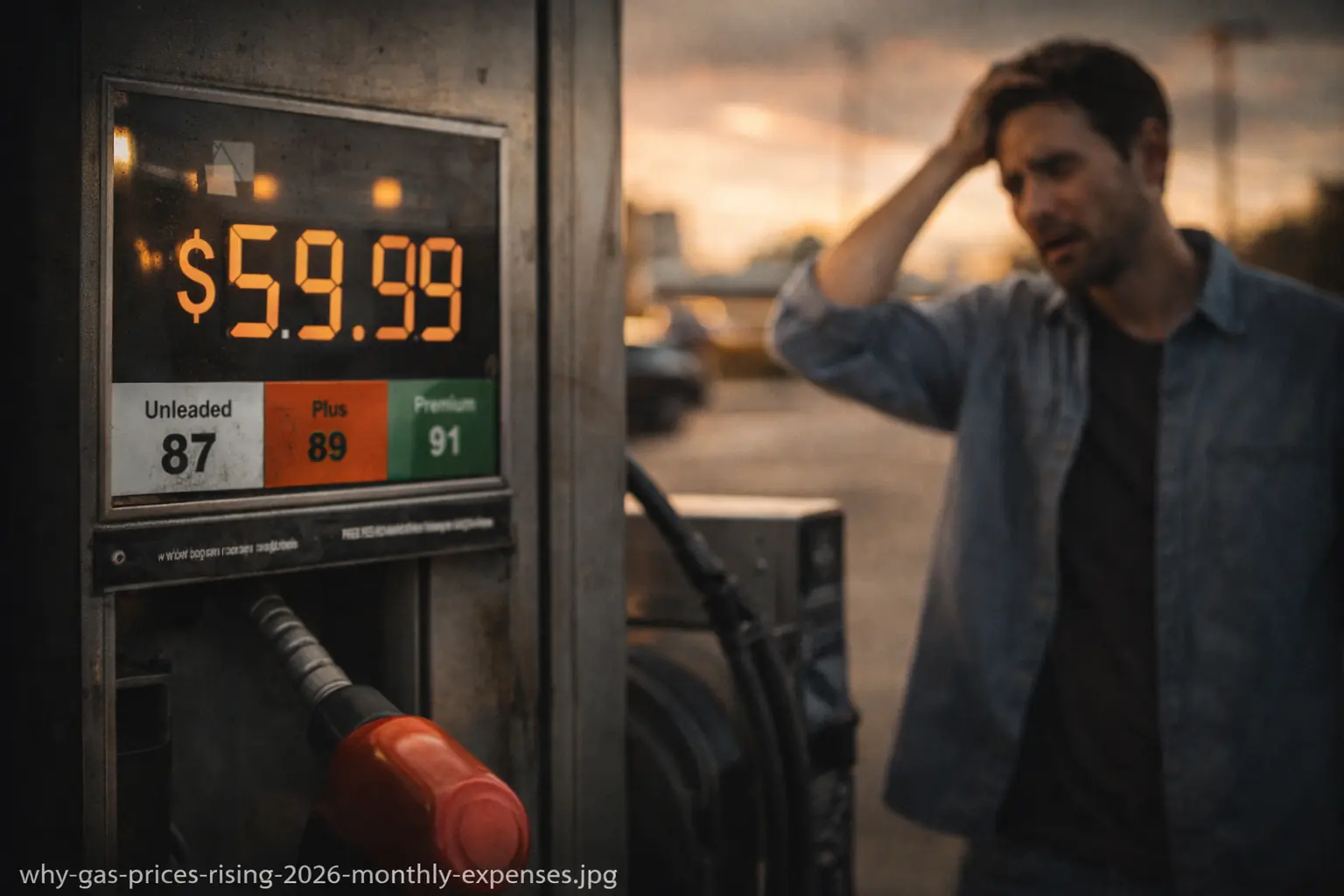
As we navigate through the complexities of 2026, it is increasingly evident that the ongoing global conflicts are intricately linked to significant fluctuations in oil prices. These conflicts, whether driven by geopolitical tensions, territorial disputes, or resource scarcity, have far-reaching implications not only on the global stage but also on the personal finances of everyday consumers. In a world where oil serves as a pivotal basis for numerous economic activities, any disruption in its supply chain can trigger a surge in prices.
The connection between rising oil prices and these international disputes is rooted in the foundational role that oil plays in various sectors including transportation, manufacturing, and agriculture. The production and transport of goods, highly reliant on oil, become costlier as prices increase. Thus, as oil prices inch upward, consumers find themselves grappling with escalating fuel costs, which, in turn, influences the prices of food and other essential goods. This relationship creates a ripple effect whereby even minor increases in oil prices can lead to noticeable changes in living expenses.
Understanding these dynamics is crucial, as the implications extend beyond economics and delve into the emotional realm of consumers. Amidst rising costs, families may find their budgets stretched thinner, prompting necessary adjustments to day-to-day expenditures. The urgency to comprehend the implications of these rising oil prices cannot be overstated; it is a key consideration for individuals planning their finances in a fluctuating global economy. With oil prices becoming increasingly volatile, the onus is on consumers to stay informed and prepared for the potential impacts these conflicts may have on their financial well-being.
• Global tensions in 2026 have created notable fluctuations in oil prices, with prices surging to levels not seen since previous geopolitical crises.
• The correlation between rising oil prices and inflation is becoming increasingly evident, as higher energy costs are propelling overall prices upward across various sectors.
• Consumers are feeling the pressure, with significant increases in transportation costs leading to higher prices for goods and services, impacting daily living expenses.
• In many regions, the rise in fuel prices directly affects the cost of commuting, with estimates suggesting an average household could spend hundreds of dollars more on fuel alone.
• Businesses are facing heightened operational costs, prompting some to pass these expenses directly onto consumers, which ultimately leads to a broader impact on the economy.
• Analysts predict that the trend of rising oil prices due to ongoing conflicts could persist, challenging households and policymakers to find solutions to mitigate the economic burden.
• The situation is compounded by supply chain disruptions, which have historically accompanied global conflicts, further escalating inflationary pressures across multiple industries.
• Energy-saving measures and alternative transport solutions are being encouraged as consumers seek ways to manage their budgets amidst these volatile market conditions.
• In summary, the dynamics of global conflicts and their connection to oil price volatility are central themes that may shape not only the economic landscape but also everyday consumer choices significantly.
What’s Happening in Global Energy Markets in 2026?
In 2026, global energy markets are experiencing significant fluctuations primarily influenced by escalating geopolitical tensions, which contribute to both supply disruptions and an increase in demand for oil. The current landscape reflects a complex interplay of various factors that ultimately affect oil prices and, consequently, consumer expenses.
One of the most crucial elements driving up oil prices is the growing demand for energy across various sectors, including transportation, manufacturing, and aviation. As economies worldwide recover from recent downturns, the demand for oil has surged, straining already volatile market conditions. Countries that are heavily reliant on oil imports are particularly vulnerable to these shifts, which tend to drive prices higher, directly impacting average citizens through increased fuel and energy costs.
Moreover, supply disruptions resulting from geopolitical conflicts cannot be overlooked. Regions traditionally abundant in oil resources are facing instability, leading to anxiety about the availability of crude oil. Events such as sanctions on oil-producing nations or conflicts affecting transportation routes further complicate the global energy market. These disruptions create a scenario where the supply does not meet the demand, compelling prices to escalate sharply.
Furthermore, the ongoing transition to renewable energy sources has prompted both short-term and long-term repercussions in oil prices. Although renewable technology is advancing, the current reliance on fossil fuels remains high, especially in developing nations. This presents a complex challenge for policymakers and energy analysts as they strive to balance energy demands while navigating the intricacies of global markets.
The dynamics of these factors make understanding the contextual landscape of global energy markets essential for comprehending shifts in oil prices and their effects on everyday expenses. As we monitor these developments, the implications for consumers become clearer, highlighting the importance of strategic planning in respond to the fluctuating energy costs.
Why Oil Prices Are Rising: The Real Economic Drivers
The global oil market is highly volatile, influenced by several economic factors that are currently driving prices higher. One of the primary contributors to this escalation is supply chain disruptions, exacerbated by ongoing geopolitical conflicts. Import and export routes have faced significant hurdles, resulting in reduced availability of crude oil on the market, which inherently drives prices upward due to increased scarcity.
Additionally, production cuts implemented by major oil-exporting nations are critical to understand. Organizations such as the Organization of the Petroleum Exporting Countries (OPEC) have strategically limited output to maintain higher prices amidst decreasing global demand, further tightening supply. These cuts, while beneficial for maintaining market stability in the short term, can lead to noticeably higher prices for consumers in the long run, as the gap between supply and demand widens.
An increase in transportation costs also plays a substantial role in rising oil prices. As logistics and shipping expenses soar due to factors like inflation and supply chain inefficiencies, these costs are often passed down the line to consumers. This is evident in the pricing of gasoline and other fuel products, which reflects not only the cost of crude oil but also the comprehensive expenses of bringing that oil to market.
Lastly, currency fluctuations, particularly in the U.S. dollar – the currency in which oil is predominantly traded – have significant implications on oil prices. A weakening dollar makes oil more expensive for holders of other currencies, effectively driving global prices higher. This interconnectivity between currency valuation and oil pricing underscores the complex nature of the global economic landscape, which directly impacts daily expenses for consumers worldwide.
How Rising Oil Prices Affect Your Daily Expenses
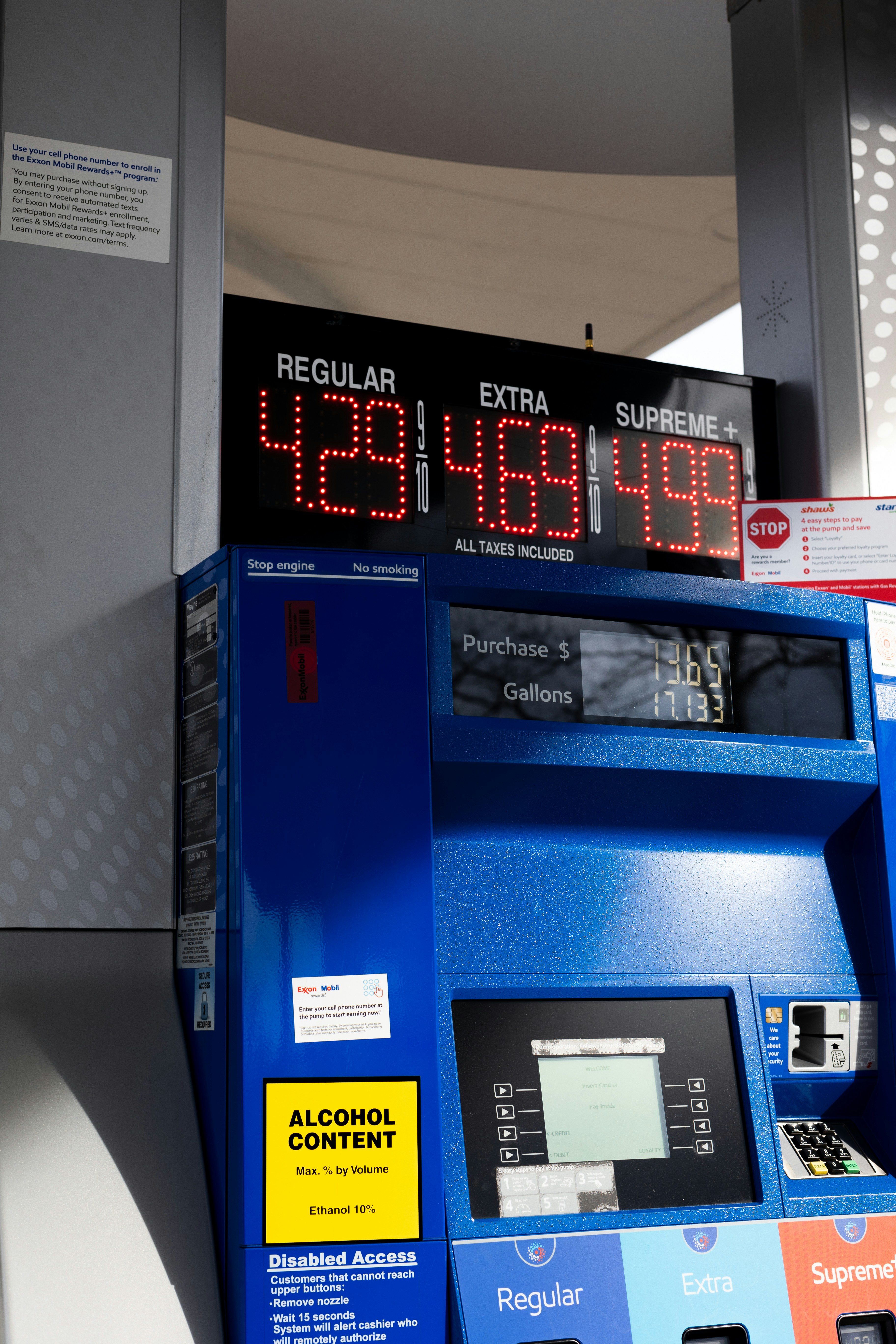
The rise in oil prices has far-reaching implications for various aspects of daily life. As oil prices increase, the cost of fuel, which is directly influenced by crude oil prices, rises correspondingly. This surge can lead to higher costs at the gas pump, significantly affecting individuals who rely on personal vehicles for transportation. Commuters may find that their monthly fuel expenses inflate, prompting a reassessment of their travel habits or even a search for alternative means of commuting.
Furthermore, the impact extends beyond mere transportation costs to the price of goods and services. Food prices are particularly sensitive to fluctuations in oil prices because fuel is a key component in the agricultural supply chain. Rising oil costs can lead to increased expenses for farmers, who may transfer these costs to consumers through higher prices for groceries. This price inflation can affect the affordability of essential items, making budgeting a challenge for many households.
Transportation fees, such as those associated with public transit, freight shipping, and delivery services, are also likely to rise in tandem with oil prices. Public transit authorities may be forced to increase fares to cover higher operational costs, while shipping companies could impose surcharges on freight that eventually trickle down to consumers in the form of inflated prices for everyday products.
In addition to the direct expenses associated with fuel and goods, utility bills may reflect increased energy costs driven by higher oil prices. Many power generation plants utilize oil in their energy production, and when oil prices go up, so does the cost consumers must pay for electricity. Therefore, as oil prices continue to climb, the cumulative effect on daily expenses becomes increasingly evident, impacting budgets and financial planning for households everywhere.
Global Impact vs Local Impact: Canada Focus
The effects of rising oil prices are nuanced, particularly when viewed through the lens of various regions in Canada. As global conflicts intensify and oil prices surge, local economies experience a spectrum of impacts based on their reliance on oil production, transportation, and consumption. For instance, provinces like Alberta, which are heavily invested in the oil and gas sector, may see an immediate economic boost as revenues increase from higher extraction prices. However, this can lead to inflationary pressures within the local economy, driving up the cost of living.
Conversely, regions less dependent on oil, such as Ontario and British Columbia, may face unique challenges. With oil prices climbing, transportation costs surge, leading to higher prices for goods and services. The cost of commuting, whether by personal vehicle or public transportation, rises proportionally, affecting household budgets across the province.
Furthermore, the rural-urban divide exacerbates these effects. In urban centers, the infrastructure may mitigate some of the immediate impacts through public transportation options, while rural communities often have fewer alternatives, resulting in a heavier reliance on personal vehicles. This disparity highlights how geographic differences create varied responses to a universal issue.
The following table illustrates the price surge of fuel before and after a significant spike in oil prices. This depiction allows Canadians to visualize the tangible effects on daily expenses across different regions. The statistics reveal not only the immediate changes in fuel costs but also the cascading effects on overall living expenses, showcasing the broader implications of global conflicts that fuel these oil price increases.
| Region | Before Oil Price Surge ($/L) | After Oil Price Surge ($/L) |
|---|---|---|
| Alberta | 1.12 | 1.45 |
| Ontario | 1.24 | 1.56 |
| British Columbia | 1.37 | 1.70 |
What You Can Do to Reduce the Impact
As global conflicts in 2026 contribute to rising oil prices, it becomes increasingly important for individuals and households to implement strategies that mitigate the financial implications of these changes. The following actionable measures can help you effectively manage your budget and reduce expenses associated with rising fuel costs.
First and foremost, effective budgeting is crucial. Analyze your current spending patterns, identify discretionary expenses that can be reduced, and prioritize necessary expenditures. By creating a clear budget that tracks your income and expenses, you can better understand where to make cuts. Tools such as budgeting apps can assist in visualizing your financial situation, making it simpler to adjust your habits accordingly.
Reducing fuel usage is another practical step you can take. Consider carpooling with colleagues or friends, utilizing public transportation, or even embracing bicycle or walking alternatives for short distances. These choices not only help in conserving fuel but also present environmentally friendly options. Additionally, maintaining your vehicle with proper tire inflation and regular engine check-ups can enhance fuel efficiency, ultimately leading to lower fuel expenses.
Smart spending habits are equally essential. Prioritize necessary purchases and seek out discounts or buy in bulk when feasible. Employing price comparison tools can enable you to find the best deals, while being mindful of impulse buying can save substantial amounts over time. Furthermore, the development of skills such as cooking at home can lead to significant savings on food expenses.
Lastly, incorporating financial planning into your routine is a proactive approach to mitigating the impact of rising living costs. Establishing an emergency fund, even if modest at first, can safeguard against unexpected expenses and provide peace of mind. Engaging with financial literature or consulting a financial advisor may offer insights into investments or savings strategies that align with your goals.
Step-by-Step Plan to Manage Rising Costs
As global conflicts in 2026 continue to impact oil prices, it is crucial for individuals to adapt their financial strategies to the rising costs of living. Implementing a systematic approach can significantly help in managing monthly expenses. Below is a detailed plan to empower readers to take charge of their finances amidst fluctuating prices.
First, tracking expenses is an essential step in understanding your financial situation. Create a budget that involves noting down all income and expenditures. Use mobile apps or simple spreadsheets to categorize expenses into fixed costs (e.g., rent, utilities) and variable costs (e.g., groceries, entertainment). By regularly reviewing these figures, you can gain insights into where your money is going and how to allocate it effectively.
Once you have a clear picture of your spending habits, identify high-cost areas that could be streamlined. Typically, food purchases and discretionary spending present significant opportunities for savings. Exploring alternatives such as bulk buying, meal planning, and utilizing coupons can contribute to reduced grocery bills. Additionally, cutting back on non-essential services or subscriptions will further assist in managing monthly costs.
A key strategy is reducing unnecessary expenses. Evaluate your spending on entertainment, dining out, and luxury items. Prioritizing needs over wants can lead to significant savings. Implementing a wait-to-buy strategy, which involves delaying purchases for at least 24 hours, may help to curb impulse buys.
Lastly, building an emergency savings fund is vital in coping with unexpected expenses or price surges in necessities, including fuel and groceries. Aim to set aside a small portion of your income every month into a savings account. This buffer will provide financial security should you face a sudden increase in living costs.
Expert Insights: What to Expect Next
The ongoing global conflicts in 2026 have significantly impacted oil prices, leading to considerable fluctuations that are expected to continue in the foreseeable future. Economists predict that as tensions persist, oil prices are likely to reach new heights, influencing not just the energy sector but also the overall inflation landscape. Various experts suggest that the volatility of oil markets will remain a defining characteristic in the coming months, primarily driven by geopolitical uncertainties.
In analyzing the potential trajectory of oil prices, it is crucial to consider several factors. First, the stability of oil-producing nations plays a vital role in maintaining supply levels. Ongoing conflicts may disrupt production, which, when combined with increasing global demand, could lead to further price hikes. Additionally, the transition toward alternative energy sources is still in its nascent stages; therefore, reliance on oil is expected to persist in the short term, exacerbating price pressures.
Inflation trends are set to be influenced heavily by these oil price increases. As energy costs rise, consumers may face higher transportation and manufacturing expenses, translating into elevated prices for goods and services. Consequently, experts are warning that inflation rates could surge, making essential commodities increasingly unaffordable. Households and businesses alike will need to adjust their budgets and consumption patterns to cope with these changes.
To better prepare for what lies ahead, consumers should actively monitor oil price developments and remain informed about broader economic indicators. By staying updated on expert forecasts and economic trends, individuals can make prudent financial decisions in response to shifting market conditions. In conclusion, the interplay of global conflicts and oil prices will remain a critical factor influencing the financial landscape in 2026 and beyond, emphasizing the need for strategic planning to manage personal and business expenses effectively.