Introduction
In the financial landscape of 2026, individuals dealing with bad credit face a multitude of challenges when attempting to secure loans. The term “bad credit” commonly refers to a credit score that falls below 580, indicating a history of late payments, high credit utilization, or other negative marks on one’s credit report. Such a classification can result in higher interest rates and limited borrowing options, making it imperative for these individuals to thoroughly understand the mechanisms that govern bad credit loans.
Seeking a loan with a poor credit history can often feel daunting. Traditional lenders typically shy away from individuals with bad credit, opting instead to lend to those with cleaner financial records. However, 2026 has ushered in an evolving landscape where innovative lending practices and an increased understanding of the financial needs of those with bad credit have begun to emerge. This shift demonstrates a growing willingness among lenders to explore alternative assessment methods beyond the traditional credit score approach.
Understanding the intricacies of bad credit options is crucial for individuals looking to obtain financing. Lenders may now offer guaranteed approval strategies targeted specifically at those who have had difficult financial experiences in the past. These options can include peer-to-peer lending, subprime loans, and secured loans, fostering an environment where borrowing is more accessible for those previously overlooked by mainstream financial institutions.
This blog post aims to illuminate the various strategies available for individuals with bad credit in 2026 seeking guaranteed loan approval. By delving into these methods, we will highlight how a proactive approach and a solid understanding of one’s financial situation can pave the way for successful borrowing outcomes. The journey of securing a loan amidst the challenges of bad credit is both achievable and increasingly feasible in today’s evolving financial climate.
Key Highlights
The journey towards securing a loan with bad credit can be intricate, yet understanding the landscape and available resources can make the process more manageable. This article will cover essential points to help individuals navigate their borrowing options effectively:
- Current Trends in Bad Credit Lending: Explore the latest statistics and insights regarding the prevalence of bad credit in Canada in 2026, including factors contributing to this rise.
- Types of Loan Options Available: An outline of various loan types suited for individuals with low credit ratings, including secured loans, payday loans, peer-to-peer lending, and credit unions.
- Benefits of Different Loan Options: A discussion of the advantages each loan type provides, such as flexibility in payment terms and potential for rebuilding credit.
- Risks Associated with Loans for Bad Credit: An overview of the common risks and pitfalls borrowers may face, including higher interest rates, potential for scams, and accumulating debt.
- Expert-Approved Strategies: Insights from financial experts on practical approaches to improve chances of approval, including enhancing credit scores and presenting clear repayment plans.
- Long-term Considerations: Reflecting on the importance of responsible borrowing to not only secure immediate funding but also positively influence future credit standing.
By addressing these key areas, the upcoming sections of this article aim to equip readers with valuable knowledge and actionable steps for obtaining loans even with challenging credit histories.
Latest Trends in Canada
The financial landscape in Canada has been undergoing significant changes, particularly concerning individuals seeking loans with bad credit. Recent years have seen heightened awareness amongst lenders regarding the complexities of credit scores. The Canadian consumer debt levels have continued to fluctuate, with reports indicating that as of 2023, approximately 30% of Canadians have a credit score classified as “poor” or “fair.” This statistic underscores the growing need for accessible lending solutions.
Legislative changes have also played a crucial role in shaping the bad credit loan environment. The Financial Consumer Agency of Canada (FCAC) has implemented stricter regulations around lending transparency and consumer protection, aiming to safeguard borrowers from predatory lending practices. For instance, as of 2022, amendments to the Interest Act have limited the interest rate that lenders can charge on high-risk loans, encouraging more equitable terms for consumers.
Additionally, lending practices have adapted, with a noticeable trend towards alternative lending options. Fintech companies and peer-to-peer lending platforms are now more prevalent in the Canadian market. These organizations often utilize non-traditional metrics to assess a borrower’s ability to repay, allowing those with bad credit to access funds that traditional banks might deny. According to a report from the Canadian Bankers Association, loans offered by alternative lenders have increased by nearly 15% annually since 2021.
Furthermore, financial literacy programs and credit counseling services are becoming increasingly available, aiding individuals in understanding their credit situations and empowering them to make informed borrowing decisions. As resources expand, individuals with bad credit in Canada can expect a lending landscape that is becoming more accommodating and supportive.
Understanding Bad Credit Loans
Bad credit loans are specialized financial products designed to assist individuals with poor credit histories in accessing funds when traditional lending options are unavailable. These loans cater specifically to borrowers who may have faced challenges like late payments, defaults, or bankruptcy, making their credit score less than stellar. As a result, lenders usually compensate for the increased risk of lending to these borrowers through higher interest rates and stricter terms.
There are several types of bad credit loans, including personal loans, payday loans, and secured loans. Personal loans can be used for various purposes, such as consolidating debt or covering unexpected expenses. For instance, a job loss may lead a person to seek a personal loan to pay bills and avoid further financial strain. Payday loans, typically characterized by high interest rates and short repayment periods, provide quick cash but often lead borrowers into a cycle of debt if not managed properly. On the other hand, secured loans require collateral, such as a vehicle or property, which decreases the lender’s risk but may result in the loss of the asset if payments are missed.
It is essential for potential borrowers to understand what to expect when applying for a bad credit loan. Lenders may require proof of income, employment history, and even bank statements to assess the borrower’s ability to repay. These loans typically come with higher interest rates compared to prime loans and may impose fees associated with loan origination or late payments. Therefore, it is crucial for individuals to carefully review the terms and conditions before committing, ensuring they can fulfill the repayment obligations without exacerbating their financial difficulties. By considering these factors, individuals with bad credit can navigate the loan landscape more effectively and secure the funding they need.
Best Options or Strategies for Bad Credit Loans
Securing a loan with bad credit can be a daunting task, but there are several strategies that can increase the likelihood of approval. Each of these options comes with its own set of advantages and disadvantages.
Finding a Co-signer: One effective strategy is to find a co-signer who has a good credit score. A co-signer can improve the chances of loan approval and may also lead to better interest rates. However, the downside is that if the primary borrower fails to repay the loan, the co-signer is held responsible. This can strain personal relationships and place significant financial responsibility on the co-signer.
Choosing Secured Loans Over Unsecured: Secured loans require the borrower to put down collateral, such as a vehicle or property, which makes them less risky for lenders. This can lead to higher approval rates even for individuals with bad credit. Nevertheless, the risk is that if you fail to repay the loan, you could lose the asset used for collateral, which should be weighed carefully against potential financial gains.
Exploring Credit Unions: Local credit unions often provide more flexible lending criteria compared to traditional banks. They may offer loans tailored for individuals with imperfect credit and may also have lower interest rates. However, membership eligibility can be a barrier, and it’s essential to research thoroughly to find a credit union that meets your needs.
Seeking Peer-to-Peer Lending Options: Peer-to-peer lending platforms allow borrowers to connect directly with individual lenders, often resulting in more lenient credit requirements. This approach can sometimes lead to lower interest rates, but borrowers should be cautious of the potential for higher fees and ensure they understand the terms fully before proceeding.
Each of these strategies presents unique opportunities for borrowers with bad credit. By weighing the pros and cons, individuals can make informed decisions about their loan options. Understanding the implications of each choice is vital in securing a loan and improving overall financial health.
Benefits and Risks of Borrowing with Bad Credit
Obtaining a loan with bad credit can present various benefits that may often outweigh the inherent risks, depending on individual circumstances. One of the primary advantages is the potential for immediate financial relief. For individuals facing urgent expenses such as medical bills, car repairs, or unexpected emergencies, accessing funds quickly can alleviate stress and resolve pressing issues. Additionally, responsibly managing such loans can lead to improvements in one’s credit score. Timely repayments demonstrate a commitment to fulfilling obligations, making it possible to rebuild negative credit history over time.
However, it is essential to acknowledge the risks associated with borrowing with bad credit. One significant downside is the likelihood of facing higher interest rates compared to those offered to borrowers with better credit profiles. This can result in paying considerably more in the long run, making the loan more expensive. Moreover, individuals with bad credit may become targets for predatory lending practices. Some lenders may offer seemingly attractive terms that are, in reality, laden with hidden fees or exorbitant charges that can further complicate financial situations.
Moreover, there is a risk of falling into a cycle of debt if borrowing is not managed judiciously. Failure to meet repayment deadlines can further exacerbate credit problems and lead to serious financial repercussions, including bankruptcy. It is vital for borrowers to meticulously assess their financial conditions before proceeding with a loan application. Weighing the benefits and risks can help individuals make informed decisions, ensuring that borrowing serves its intended purpose without leading to adverse long-term consequences.
Advanced Tips or Insider Strategies
Securing a loan with bad credit in 2026 can be a challenging endeavor; however, there are several advanced strategies that can enhance your chances of approval. One effective approach is to improve your credit score before applying. This can be achieved through several methods, such as paying down existing debts, ensuring all bills are paid on time, and avoiding any new credit inquiries shortly before your loan application. A higher credit score not only increases your likelihood of approval but can also lead to better loan terms.
In addition to improving your credit score, it is essential to gather all relevant documentation prior to applying for a loan. Lenders typically require proof of income, employment history, and financial statements to assess your repayment capability. Having these documents organized and ready can expedite the approval process. Moreover, providing additional evidence of your financial stability, such as bank statements showing consistent savings patterns, can further strengthen your application.
Furthermore, negotiation plays a crucial role when seeking better loan terms. When you approach lenders, do not hesitate to discuss your financial situation openly. Highlight any factors that might mitigate your bad credit, such as a stable job, a co-signer with a good credit history, or substantial assets. This demonstration of reliability can sometimes lead lenders to offer more favorable terms than initially presented. Additionally, shopping around and comparing offers from multiple lenders can also result in more advantageous rates and conditions. Ultimately, employing these insider strategies can significantly improve your chances of securing a loan even with bad credit.
Cost Breakdown and Comparison Table
Obtaining a loan with bad credit can be challenging, and understanding the costs associated with various loan options is crucial for informed decision-making. Below, we provide a comparative analysis of different loan types catered to individuals with poor credit histories, highlighting their interest rates, fees, and suitability for various borrowers.
| Loan Type | Interest Rate | Fees | Best For |
|---|---|---|---|
| Payday Loans | 300% – 500% | Flat fee, typically around $15 per $100 borrowed | Borrowers needing cash quickly and cannot access other options |
| Title Loans | 100% – 300% | Typically includes an origination fee | Individuals with a clear vehicle title, needing immediate funds |
| Personal Installment Loans | 10% – 36% | May include a one-time processing fee, varies by lender | Borrowers who can repay over time with flexible payment plans |
| Peer-to-Peer Loans | 5% – 36% | Usually a percentage of the loan amount as a service fee | Individuals looking for competitive rates by borrowing from individuals |
| Credit Union Loans | 6% – 18% | Possible membership fees and interest rate varies | Members of the credit union who need affordable borrowing options |
When assessing these options, borrowers should consider not only interest rates but also applicable fees, which can significantly impact the total cost of the loan. Understanding the terms and conditions helps borrowers choose the most suitable loan for their financial situation. With careful evaluation, securing a loan with bad credit while minimizing costs is achievable.
Each loan type presents unique benefits and challenges. For instance, payday loans may offer quick access to cash, but carry excessively high-interest rates and fees, which can trap borrowers in a cycle of debt. Conversely, personal installment loans provide lower rates and a more manageable repayment structure, making them a potentially better choice for those who qualify.
Expert Tips for Securing a Loan with Bad Credit
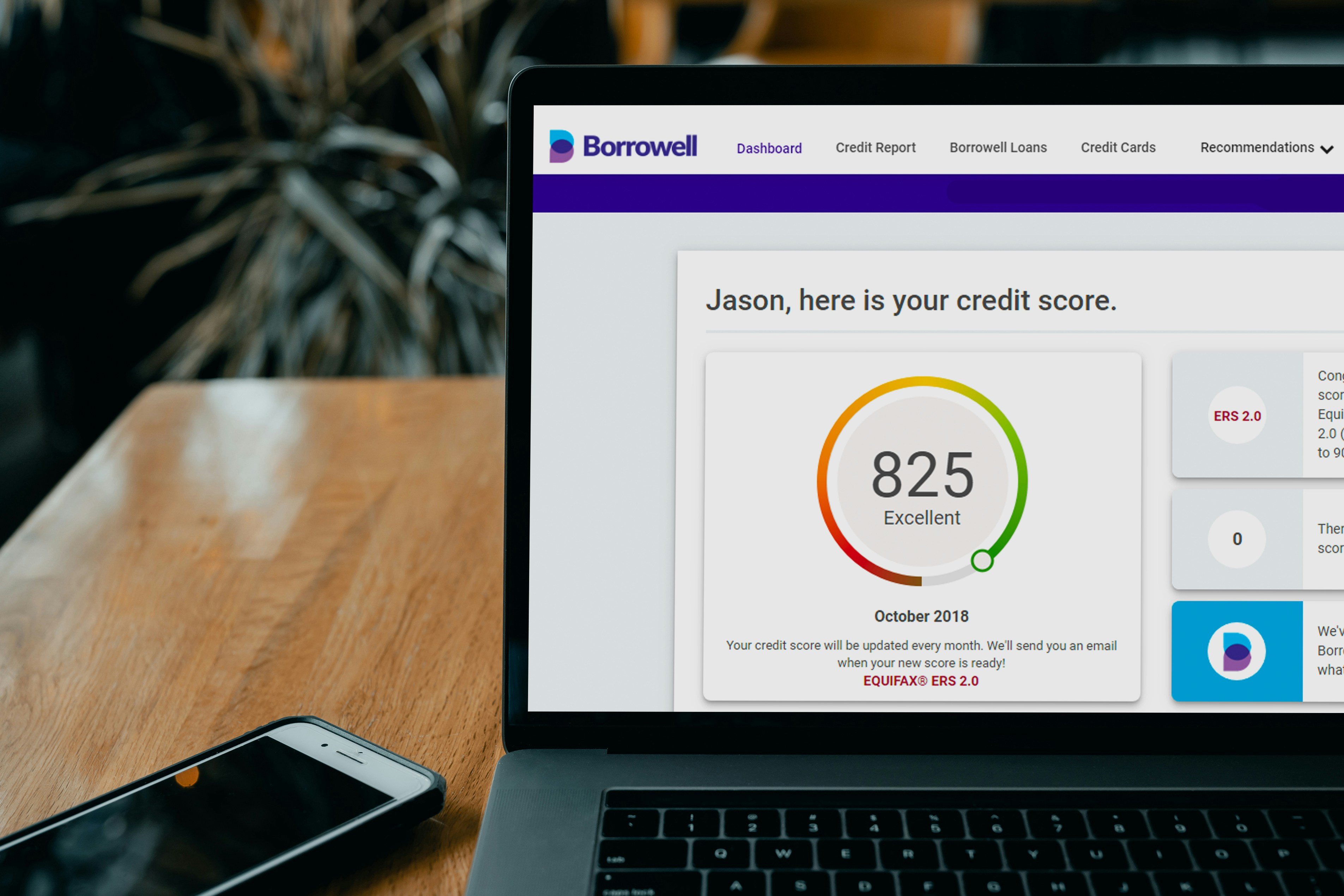
When navigating the loan process with bad credit, there are several actionable tips from financial experts that can significantly improve your chances of securing a loan. First and foremost, understanding your credit report is crucial. Obtain a copy of your credit report and thoroughly review it for inaccuracies or outdated information that can be disputed. Regularly monitoring your credit report can help you stay on top of your financial health and prepare for discussions with potential lenders.
Another important strategy is to improve your credit score before applying for a loan. This can be achieved by paying down high credit card balances, ensuring timely payments on all loans, and keeping existing credit lines open to enhance your credit utilization ratio. Even a slight increase in your credit score can yield better loan offers, enabling you to negotiate more favorable terms.
Additionally, seeking lenders that specifically cater to borrowers with bad credit can be advantageous. Such lenders often have more lenient requirements and flexible repayment options. However, it’s vital to conduct thorough research about the lender’s reputation, interest rates, and other fees before proceeding with an application. Look for online reviews, and also consider checking with the Better Business Bureau to assess credibility.
Frequently Asked Questions
How can I improve my credit score before applying for a loan? To improve your credit score, focus on paying bills on time, reducing your credit card debts, and avoiding new credit inquiries in the months leading up to your application.
What should I watch out for when choosing a lender? Always be cautious about lenders that promise guaranteed approval without checking your financial background. Look for clear communication of fees and terms and always read the fine print of loan agreements.
How do I understand loan agreements? Loan agreements can be complex, so take the time to read through all terms carefully. Ask the lender to explain any confusing sections, especially those related to interest rates, repayment schedules, and potential penalties for missed payments.
Conclusion
In conclusion, navigating the process of obtaining a loan with bad credit in 2026 can be challenging but is not insurmountable. The key strategies outlined in this article provide a solid foundation for those seeking financial assistance despite their credit challenges. By recognizing the importance of assessing one’s financial situation, and understanding the various types of loans available, borrowers can make informed decisions tailored to their unique circumstances.
Moreover, exploring alternative lending options, such as credit unions and peer-to-peer lending platforms, can greatly enhance the chances of securing a loan. Additionally, improving one’s credit score through responsible financial practices is another critical approach that proves effective over time. Borrowers should also consider offering collateral or involving a co-signer to strengthen their application.
It is essential to remain proactive throughout the process, as this can significantly impact the outcome of loan applications. Seeking advice from a financial advisor can provide personalized insights, helping individuals choose the best strategy for their situation. Engaging with professionals in the field can offer guidance on the right steps to take towards achieving financial relief, ensuring borrowers are well-equipped to address their bad credit dilemmas.
Ultimately, while securing a loan with bad credit may require more effort and strategic planning, understanding available options and resources can pave the way towards successful borrowing experiences. Taking these steps not only fuels hope for achieving financial stability but also empowers individuals to regain control over their financial futures.