
Introduction: The Connection Between Global Conflicts and Rising Oil Prices
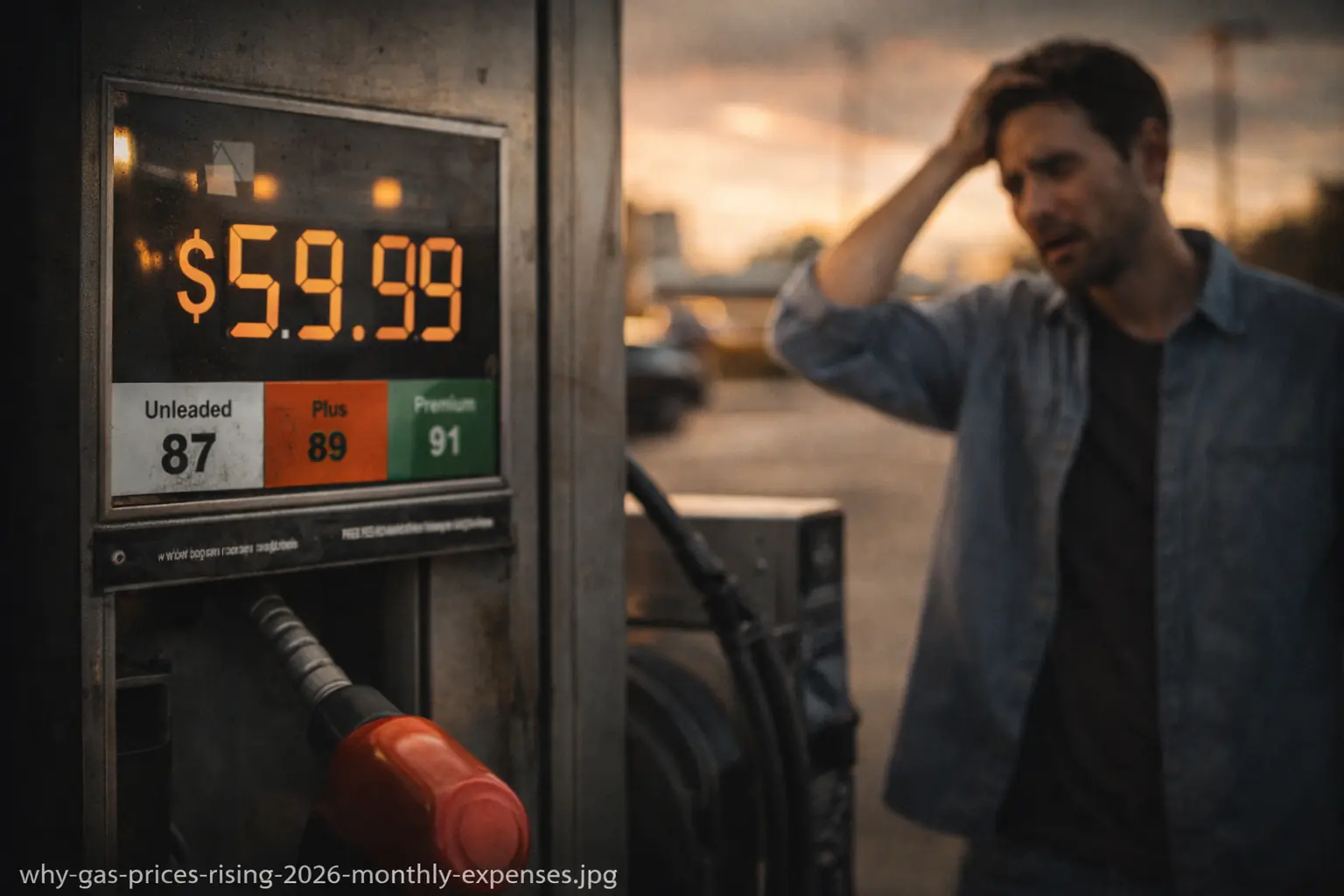
In 2026, a noticeable rise in inflation can be traced back to a complex interplay of global conflicts and escalating oil prices. The nexus between geopolitical tensions and crude oil production is critically important, as these conflicts directly influence supply chains and the distribution of oil resources. When tensions arise in key oil-producing regions, the potential for supply disruptions looms large, prompting immediate reactions in the global market.
As oil prices surge, the ramifications extend beyond just the cost of fuel. Consumers find themselves facing increased expenses across various facets of their daily lives, notably food prices, transportation costs, and rent. Within the agricultural sector, for instance, the cost of fuel directly impacts the price of transporting goods from farms to markets. As transportation becomes more costly, these expenses are inevitably passed on to consumers, causing grocery bills to rise substantially. This chain reaction underlines how intricately linked oil prices are to the broader economy.
Moreover, heightened oil prices can spark inflationary pressures as businesses respond to rising costs by adjusting their pricing strategies. As a result, everyday consumers may find their budgets strained, grappling with a tighter financial landscape. The urgency of this situation cannot be overstated, as families and individuals navigate these economic challenges that stem from international conflicts and fluctuating oil prices. In essence, the relationship between geopolitical stability and energy prices is a crucial determinant of the everyday economic realities faced by consumers, highlighting the pressing need for awareness and preparedness to respond to these fluctuations.
Key Highlights: Quick Insights
The effects of rising inflation on various sectors are becoming increasingly evident as we navigate through 2026. Below are some noteworthy insights reflecting the current economic landscape:
- Soaring Oil Prices: Global oil prices have seen a substantial increase, leading to higher transportation costs. This surge is anticipated to ripple through multiple sectors, influencing the cost of goods and services.
- Inflation Rates: Current inflation rates have reached their highest levels in over a decade. This increase is primarily driven by supply chain disruptions and heightened demand for consumer goods, which have strained market capacities.
- Food Prices on the Rise: The rising cost of fuel is directly impacting food prices, as higher transportation and production costs translate to more expensive groceries. Consumers are likely to notice significant changes in their food budgets.
- Housing Costs: Rent and property prices are also expected to escalate due to increased inflation. This trend may make home affordability a growing concern for many households, leading to a shift in rental markets and home buying dynamics.
- Budget Adjustments: Households may need to reassess their daily budgets as essential expenses rise. Allocating more funds to meet increased costs could lead to decreased spending in non-essential categories, affecting overall economic growth.
- Long-term Economic Outlook: Economists express that sustained inflation could result in a prolonged period of economic adjustments. These changes may call for policy interventions and adaptive strategies from both consumers and businesses.
What’s Happening in Global Energy Markets in 2026?
As we delve into the current state of global energy markets in 2026, it becomes increasingly evident that several interconnected factors are significantly affecting oil prices. One of the most prominent developments is the remarkable rise in global oil demand. Following the pandemic recovery, economies worldwide are experiencing a resurgence, leading to heightened energy consumption. This climbing demand is particularly pronounced in emerging economies, where industrial activity and transportation needs are surging.
However, the landscape is not solely defined by demand dynamics. Supply disruptions, often triggered by geopolitical tensions, present a critical challenge in maintaining a stable oil supply. Areas of conflict, particularly in the Middle East and Eastern Europe, have led to unpredictability in oil production. For instance, sanctions on certain oil-producing nations and disruptions associated with regional instability have exacerbated the situation. Consequently, such geopolitical factors lead to fluctuations in oil prices that impact consumers and industries alike.
Moreover, OPEC’s strategic decisions play a pivotal role in shaping the energy market. The collective decisions of member countries regarding production levels can create ripple effects, as changes to output are designed to manipulate the market balance of supply and demand. In 2026, OPEC’s approach has had a direct correlation with the fluctuating oil prices, amplifying the effects of both rising demand and supply uncertainties.
All these elements converge to render the global energy market highly volatile. The interplay between increasing consumption, geopolitical instabilities, and production decisions by major oil-producing nations encapsulates the multifaceted challenges that characterize the current energy landscape. Understanding these elements is essential for grasping how they may influence energy costs and, consequently, impact inflation, including essential commodities like food and rent in the coming months.
Why Oil Prices Are Rising: The Real Economic Drivers
Oil prices are experiencing a notable upward trajectory in 2026, driven by a multitude of economic factors that have far-reaching implications for consumers. Understanding these drivers is essential for comprehending how rising oil prices impact everyday expenses like food, rent, and overall budgeting.
One significant factor contributing to the increase in oil prices is supply chain disruptions. The complex global network involved in oil distribution has faced various hurdles, including adverse weather conditions and geopolitical tensions. Such disruptions not only affect the physical transport of oil but also create uncertainty in the market, pushing prices higher as supply dips in response to heightened demand.
Moreover, production cuts from major oil-producing nations play a critical role in shaping oil pricing. Organizations like the Organization of the Petroleum Exporting Countries (OPEC) intentionally limit output to stabilize or increase oil prices. When these countries decide to cut back on production, the global oil supply shrinks, leading to increased prices at the pump and for other petroleum products, which eventually trickles down to consumers.
Transportation costs further exacerbate the price rise of oil. As logistics expenses increase —due in part to heightened demand for shipping, rising labor costs, and fuel expenses— these costs are ultimately transferred to consumers in the form of higher prices for goods and services. When oil prices rise, the cost of transporting food, household goods, and other necessities also increase, thus affecting a household’s budget.
Finally, currency fluctuations can also impact oil prices significantly. The oil market is globally traded predominantly in U.S. dollars. Therefore, when the dollar weakens against other currencies, oil becomes more expensive for countries using those currencies, leading to increased global prices. As the economic landscape continues to evolve, consumers must remain vigilant about these oil price drivers, recognizing their adverse effects on budgets and daily expenditures.
How Rising Oil Prices Affect Your Daily Expenses
The increasing cost of oil significantly influences daily expenses in various ways. With rising oil prices, fuel costs surge, which directly impacts transportation expenses for individuals and businesses alike. As gasoline prices climb, consumers may find themselves spending more on commuting and travel, leading to a tighter household budget in other areas.
Furthermore, high oil prices affect food prices due to the increased cost of transportation for goods. Grocery retailers face higher shipping fees, which they inevitably pass on to consumers. For instance, studies have shown that every dollar increase in oil price can result in an approximate 0.5% increase in food prices. This rise not only pressures families managing budgets but also affects purchasing decisions, sometimes leading to a shift toward lower-cost alternatives.
Utility bills also feel the brunt of escalating oil prices, as many energy companies depend on oil for electricity generation. A spike in oil costs may cause a rise in electricity prices, which can contribute to higher overall living expenses. Households can expect to see that reflected in their monthly bills, forcing them to reconsider their energy consumption habits.
Moreover, the cumulative effect of these increases can create a ripple effect in your daily budgeting. With fuel, food, and utility expenses all climbing, it is essential for individuals to assess and adjust their budgets correspondingly. By evaluating spending habits and being mindful of prices, families can mitigate some of the challenges posed by rising oil prices.
In summary, rising oil prices have a far-reaching impact on daily expenses, influencing everything from transport to grocery bills. Understanding these effects is crucial for effective financial planning amidst increasing inflation.
Global Impact vs Local Impact: A Focus on Canada
The rising inflation rates in 2026, spurred by fluctuating oil prices, have prompted extensive discussions about their implications on various sectors within Canada. The impact of these economic changes is not uniform across the country; it varies significantly based on regional dependencies on oil and gas, demographic factors, and the overall economic environment.
In provinces such as Alberta, where the economy heavily relies on oil extraction, the consequences of rising oil prices are particularly pronounced. Residents and local businesses in regions like Calgary are often directly affected by fluctuations in oil prices, leading to increased transportation and energy costs. As a result, inflation rates in these areas are markedly higher, which directly influences food prices and rental costs, making it challenging for families to maintain their daily budgets.
Conversely, provinces such as Ontario, which have a more diversified economy, experience a different set of challenges. Here, the effects of rising oil prices may be mitigated by strong agricultural and manufacturing sectors. While increasing transportation costs may influence the prices of imported goods, the overall impact on inflation may be less severe than in regions like Alberta. For instance, Toronto could see an uptick in rental prices due to high demand in the urban housing market; however, this may not be as drastic as the changes experienced in smaller towns heavily reliant on oil revenues.
Moreover, the impact of inflation is further influenced by local policies and the cost of living variations across municipalities. As Canadian cities adjust to these economic challenges, the potential for regional disparities in inflation will become increasingly evident, necessitating targeted approaches to effectively address the needs of affected communities. Understanding these dynamics is crucial for developing strategies that mitigate the effects of inflation across diverse regions.
What You Can Do to Reduce the Impact
As inflation continues to rise in 2026, individuals are faced with increasing costs across various sectors, particularly food, rent, and everyday expenses. However, there are several practical strategies that one can employ to reduce the impact of inflation on their daily budget.
First and foremost, establishing a comprehensive budget is essential. Creating a detailed budget allows you to track your income and expenses, enabling you to identify areas where you can cut back on spending. This involves prioritizing essential expenditures while being mindful of discretionary spending. Consider using various budgeting tools or apps that can simplify this process and provide insights into your spending habits.
Additionally, implementing smart spending techniques can significantly alleviate the financial burden. For instance, purchasing in bulk, seeking out sales, and utilizing coupons or cashback programs can lead to substantial savings on grocery bills. Consider comparing prices at different stores and opting for generic brands, which often offer the same quality at a lower price.
Another effective method to reduce costs is to minimize fuel usage. To achieve this, evaluate your transportation needs. Utilizing public transit, carpooling, or even biking can save money spent on fuel and maintenance. Furthermore, planning errands to maximize efficiency can reduce the frequency and distance of trips, ultimately leading to decreased fuel consumption.
Lastly, effective financial planning should not be overlooked. Setting aside a portion of your income in a savings account can create a financial safety net, allowing you to manage unexpected expenses without infringing on your regular budget. Additionally, consider consulting with a financial advisor to explore investment strategies that may help counteract the effects of inflation on your savings.
Step-by-Step Plan to Manage Rising Costs
As inflation continues to rise in 2026, managing your finances becomes increasingly essential to ensure that you can maintain your standard of living. Here is a structured plan to manage your daily budget effectively during inflationary periods.
Firstly, tracking your monthly expenses is crucial. Begin by documenting all your expenditures, including fixed costs like rent and variable costs such as groceries. Utilize budgeting apps or spreadsheets that can categorize spending and highlight areas where money is being spent unnecessarily. This practice not only promotes awareness but also helps you identify trends in your spending patterns.
Secondly, once you have a clear picture of your financial landscape, identify high-cost areas. This involves scrutinizing your largest expenses to determine if there are alternatives available. For instance, consider shopping at budget grocery stores, utilizing public transport instead of driving, or negotiating your rent or utility bills where possible. By focusing on these high-impact areas, you can make significant reductions in your overall spending.
In addition to identifying costs, reducing unnecessary spending is critical. Evaluate your discretionary expenses and categorize them into essential and non-essential. Cut back on non-essential purchases, which may include dining out, subscription services, or impulse buys. Allocating your budget more effectively ensures that you prioritize needs over wants, especially during times of inflation.
Finally, it’s prudent to build emergency savings. Aim to set aside a small portion of your monthly income to create a financial buffer. This savings can be particularly useful during periods of price instability, providing peace of mind and greater financial flexibility. Consider automating transfers to a savings account to foster consistent savings habits.
Expert Insights: What to Expect Next
As inflation levels continue to rise in 2026, economists and financial experts offer valuable insights into the potential future trends affecting oil prices, inflation outlook, and a broader economic impact. The fluctuations in fuel costs are often a primary contributor to inflation, impacting not only transportation but also the price of goods, including food and housing. Experts predict that, due to ongoing geopolitical tensions and unstable supply chains, oil prices may experience further volatility. This unpredictability is likely to influence prices on various consumer goods and services.
In terms of inflation, the expectation is that it may not plateau as previously anticipated. Certain economists forecast a gradual increase in inflation rates through the latter part of 2026 due to continued consumer demand coupled with lingering supply-side constraints. This scenario creates an uneasy landscape for budgets as the cost of living rises, sparking concerns about affordability for daily essentials like rent and grocery purchases.
Furthermore, financial analysts emphasize the importance of monitoring Federal Reserve policies, as interest rates could shift in response to persistent inflationary pressures. Adjustments in monetary policy may lead to changes in lending rates, making borrowing more expensive and impacting consumer spending habits. Homebuyers and renters alike should prepare for potential increases in mortgage rates and rental prices, making housing affordability a critical concern.
Overall, the consensus among financial experts is that consumers should brace themselves for an ongoing period of economic adjustment. As the prices for oil, food, and living expenses continue to evolve, individuals must remain vigilant in managing their financial plans. Budgeting effectively and exploring cost-saving measures will become increasingly essential in navigating this inflationary environment.
Conclusion: Preparing for Rising Costs
As we navigate the complexities of rising inflation in 2026, it becomes crucial to develop a comprehensive strategy for managing day-to-day expenses. This environment is characterized by increasing prices across various sectors, particularly in essentials such as food and rent. Consequently, understanding the implications of these changes is imperative for maintaining financial stability.
One of the most effective approaches to combat inflation is to create a detailed budget. By tracking your income and expenditures, you can identify areas where cuts may be made without compromising your quality of life. Adjustments in spending habits, such as opting for seasonal produce or exploring alternative housing options, can result in significant savings. Furthermore, engaging in community discussions or local initiatives can offer insights into cost-effective strategies.
Building an emergency fund is another critical element in preparing for economic uncertainties. This fund can provide a financial buffer during unpredictable times, allowing for greater flexibility when faced with rising costs. Additionally, investing in financial literacy resources can equip individuals with the knowledge necessary to make informed choices regarding savings and investments, thus enhancing overall economic resilience.
Ultimately, remaining aware of economic trends will empower you to respond proactively to inflationary pressures. Regularly reviewing financial goals and adjusting them according to market conditions can lead to more resilient financial planning. By preparing thoughtfully and intentionally for rising costs, you can navigate the challenges of inflation with confidence and security.